# The Importance of Good Posture for Everyday Health
Maintaining good posture is a fundamental aspect of our overall well-being. As we navigate daily life in Lake Wylie, South Carolina, our postural habits play a significant role in how we feel and function. Whether it’s sitting at a desk, using our phones, or even driving, being mindful of our posture can lead to better health and comfort.
## Understanding Posture and Its Effects on Health
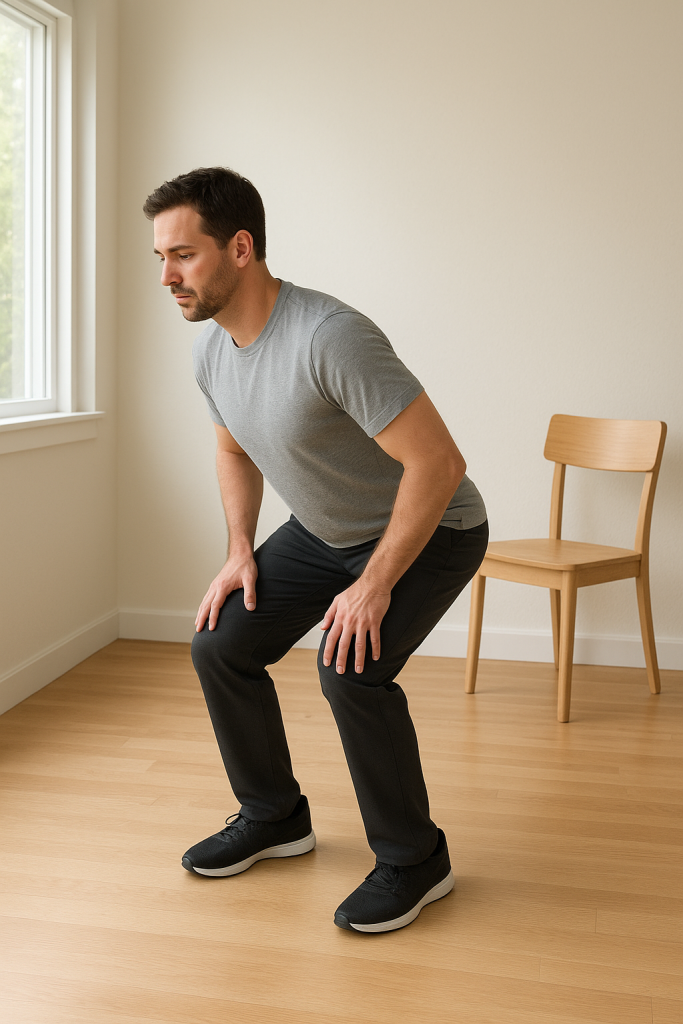
Posture refers to the way we hold our bodies while sitting, standing, or moving. Good posture means having a proper alignment of the spine, which allows our bodies to work more efficiently. On the other hand, poor posture can lead to a variety of complications such as muscle tension, discomfort, and even long-term health issues.
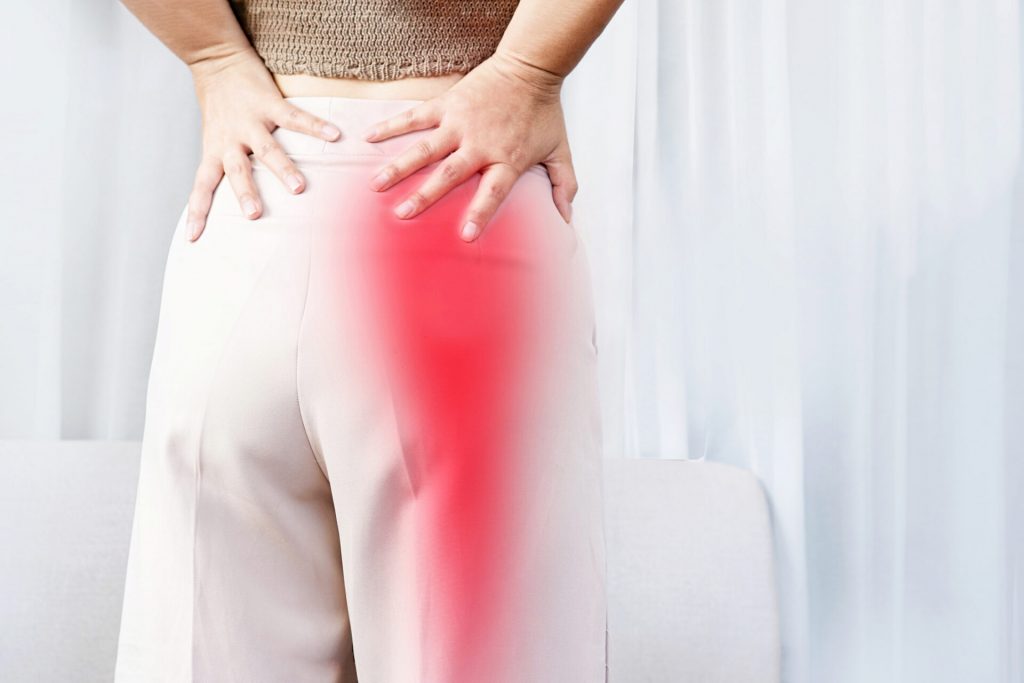
When we slouch or hunch over, our muscles can become strained, resulting in pain or fatigue. This physical misalignment can also affect our breathing and digestion, reducing our body’s overall function. It’s important to recognize that the way we carry ourselves daily influences not only our physical health but our emotional state as well.
## The Importance of Movement and Habit
Regular movement is vital for maintaining good posture. When we remain in one position for too long, like sitting for prolonged hours while working or using a tablet, our muscles can become stiff, and our posture may suffer. Incorporating regular breaks and stretches into your routine can help counteract the negative effects of sedentary behavior.
Developing healthy habits is equally essential. Simple adjustments like choosing ergonomic furniture, practicing mindful sitting, and being aware of your body as you navigate daily tasks can significantly impact your posture. Over time, these small changes can lead to substantial improvements in how you feel throughout the day.
## Everyday Activities and Their Postural Impact
Many of our everyday activities can influence our posture. For instance, if you spend considerable time at a desk, it’s essential to consider your chair’s height and your screen alignment. Improper setup can lead to eye strain and discomfort in your neck and back.
Similarly, using mobile devices like phones or tablets can encourage poor posture, as many people tend to jut their necks forward or round their shoulders. Making a conscious effort to hold your devices at eye level can help avoid strain and promote better postural habits.
Driving is another activity to consider. Long commutes can lead to slumping in the seat, which places unnecessary pressure on the spine. Adjusting your seat properly and taking breaks during longer drives can help maintain a healthier posture.
In terms of relaxation, your sleep habits play an important role in your posture, too. A supportive mattress and pillow can impact your spinal alignment. Investing in sleep gear that promotes a neutral spine can foster better rest and overall body alignment.
Lastly, incorporating regular physical activity, whether through hobbies, yard work, or recreational activities at the lake, can strengthen your muscles and promote better posture. Active movement helps keep your body agile and resilient, making it easier to maintain good posture throughout various daily activities.
## Supporting Local Health
Here at Lake Wylie Family Chiropractic, Dr. Jeff works with individuals and families from Lake Wylie and the surrounding areas to help them better understand how everyday habits and posture can impact overall wellness. By fostering awareness around these daily choices, we can help you enhance your quality of life through improved postural health.
In conclusion, being mindful of your posture is more than just a matter of aesthetics; it’s about enhancing your overall wellness. By making small changes in your daily routines, you can cultivate habits that support your physical health, improve your comfort, and elevate your quality of life.
This information is for general education only and is not intended to diagnose, treat, or replace medical advice. Individual needs and conditions vary. Always consult a qualified healthcare professional regarding your specific situation.