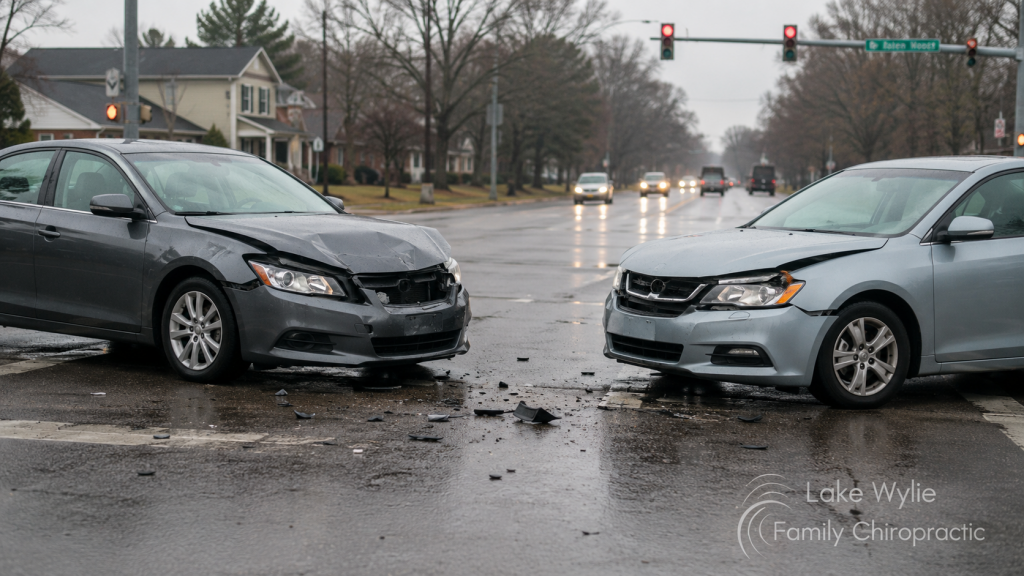
After a car accident, it is common to focus on vehicle damage, insurance information, and getting home safely. However, you should also pay attention to how your body feels during the hours and days that follow.
Neck pain, back pain, stiffness, headaches, shoulder pain, and other symptoms may not become noticeable immediately. MedlinePlus reports that whiplash-related pain can sometimes take hours or even longer to develop.
A timely examination can help identify musculoskeletal injuries, document your symptoms, and determine the most appropriate next step in your care.
Why Accident-Related Pain May Be Delayed
A collision can place sudden force on the neck, back, shoulders, and surrounding muscles and joints. Whiplash commonly occurs when the head moves rapidly backward and forward during an impact.
Symptoms may include:
- Neck pain or stiffness
- Reduced neck movement
- Headaches
- Upper or lower back pain
- Shoulder or arm discomfort
- Muscle tightness or tenderness
- Dizziness
- Numbness or tingling
- Difficulty concentrating or sleeping
Symptoms of whiplash do not always begin at the scene of the accident. Mayo Clinic recommends seeing a healthcare professional promptly when neck pain or other symptoms develop after an injury.
Feeling relatively normal immediately after a crash does not guarantee that no injury occurred.
Serious Injuries Must Be Ruled Out First
Chiropractic care is not a replacement for emergency medical care.
Call 911 or go to an emergency department following an accident when there is:
- Loss of consciousness
- Increasing confusion or unusual behavior
- A worsening headache
- Repeated vomiting
- Slurred speech
- Seizures
- Significant weakness or numbness
- Loss of coordination
- Extreme drowsiness or difficulty waking
- One pupil that is larger than the other
These can be warning signs of a concussion, traumatic brain injury, bleeding, or another serious condition requiring immediate medical evaluation.
People taking blood-thinning medications should be especially cautious following a head injury because of the increased risk of internal bleeding.
How a Chiropractor May Help After an Auto Accident
Once fractures, concussions, spinal instability, and other serious injuries have been ruled out, chiropractic care may be one part of a conservative recovery plan.
An examination may include:
- A detailed accident and medical history
- Evaluation of neck and back movement
- Neurological and orthopedic testing
- Assessment of muscle tenderness and joint function
- Evaluation of posture and movement
- Referral for medical care or imaging when indicated
Treatment should be based on your examination—not automatically started simply because you were involved in an accident.
Depending on the findings, care may include gentle joint mobilization, soft-tissue techniques, therapeutic exercises, stretching, activity recommendations, or spinal manipulation when clinically appropriate.
Not every patient requires an adjustment, and the treatment plan should be modified according to the type and severity of the injury.
Restoring Movement Is an Important Part of Recovery
Prolonged inactivity can contribute to stiffness and reduced function. Mayo Clinic identifies pain control, restoring neck movement, and returning to normal activities as primary goals of whiplash treatment. Recommended care may include gradually introduced stretching, movement, strengthening, and rehabilitation exercises.
Chiropractic care may help address:
- Restricted neck or back movement
- Muscular tightness
- Joint-related pain
- Difficulty performing normal activities
- Movement patterns that aggravate symptoms
The goal is not simply to provide temporary relief. A responsible treatment plan should help you regain comfortable movement and safely return to work, exercise, driving, and daily activities.
What Does the Research Say?
The evidence should not be overstated.
Research suggests that spinal manipulation may reduce pain and improve function for some people with nonspecific neck or lower-back pain. However, benefits vary, and evidence specifically involving recent auto-accident injuries is more limited.
Manual treatment generally works best as part of a broader plan that may include exercise, education, gradual activity, and coordination with other healthcare professionals.
Spinal manipulation can also cause temporary soreness, stiffness, headaches, or increased discomfort. Rare but serious complications involving the arteries of the neck have been reported, which is why proper screening and informed consent are important before cervical manipulation.
Early Documentation Can Prevent Confusion Later
An early examination creates a record of:
- When your symptoms began
- Which areas were affected
- Your initial range of motion and physical findings
- How the symptoms affect your work and daily activities
- Whether your condition improves or worsens
This information can help your healthcare providers follow your progress and adjust your treatment plan. It may also reduce uncertainty when symptoms did not become obvious until several days after the collision.
Medical decisions should be based on your health—not solely on an insurance claim or legal case.
Frequently Asked Questions
How soon should I see a chiropractor after a car accident?
Seek emergency care immediately when serious symptoms are present. Otherwise, schedule an evaluation promptly if you develop neck pain, back pain, headaches, stiffness, tingling, or difficulty moving.
Should I see a chiropractor if I do not have pain?
An examination is not mandatory for every minor accident. Monitor yourself carefully because symptoms may be delayed. Seek professional evaluation when symptoms appear, the impact was significant, or you are unsure whether an injury occurred.
Will I need X-rays?
Not automatically. Imaging decisions should be based on the accident, symptoms, examination findings, age, neurological signs, and recognized trauma criteria. Suspected fractures or serious spinal injuries require appropriate medical imaging and referral.
Can chiropractic care treat a concussion?
No. Chiropractic treatment does not treat a brain injury. Symptoms suggesting a concussion require medical evaluation. A chiropractor should recognize warning signs and refer the patient when needed.
Does every accident patient receive the same treatment?
No. Treatment should be individualized. Some patients may need only education and home exercises, while others may benefit from manual therapy, rehabilitation, medical treatment, or referral to another specialist.
Auto-Accident Chiropractic Care in Lake Wylie, SC
If you are experiencing neck pain, back pain, headaches, stiffness, or reduced movement following a collision, Lake Wylie Family Chiropractic can evaluate your musculoskeletal symptoms and help determine whether chiropractic care is appropriate.
We serve patients from Lake Wylie, Clover, Steele Creek, the Palisades, Fort Mill, and surrounding communities.
Contact Lake Wylie Family Chiropractic to schedule an auto-accident evaluation.
This article is for general educational purposes and is not a substitute for emergency care, medical diagnosis, or individualized treatment advice.