### Chiropractic Approaches to Managing Groin Pain: An Overview
Beyond addressing neck and back discomfort, chiropractic care is frequently sought for a wide array of musculoskeletal concerns, among which groin pain is notably common. Discomfort or pain in the groin region may arise from numerous sources, including conditions related to reproductive organs, the urinary or renal systems, lymphatic structures, pelvic floor dysfunctions, hip joint abnormalities, and even complications such as lumbar disc herniation.
#### Evaluation and Differential Diagnosis
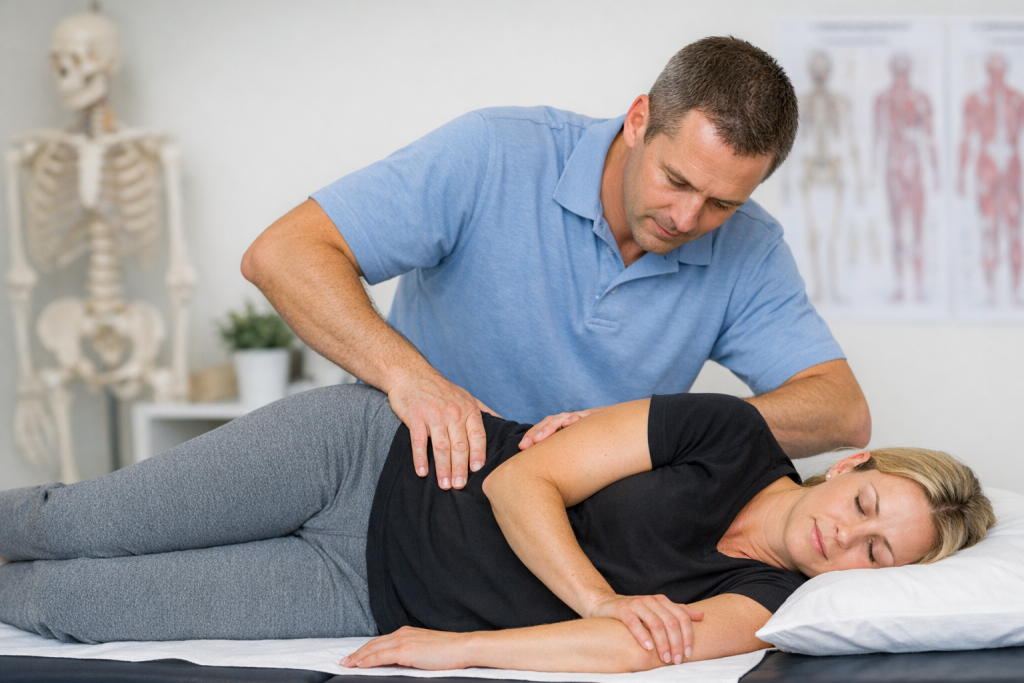
When a patient presents with groin pain, a chiropractor typically begins by obtaining a comprehensive medical history followed by a detailed physical examination. This assessment is essential to identify whether the underlying cause may be better managed by a medical physician, thereby ensuring appropriate referral when necessary. The examination specifically evaluates the pelvis, hip, and lower back to detect musculoskeletal dysfunctions that fall within the scope of chiropractic practice.
#### Musculoskeletal Causes of Groin Pain
Lumbar spine conditions, particularly herniated discs, often present with symptoms localized to the lower back; however, if the herniated disc exerts pressure on spinal nerves, pain and neurological symptoms may extend down the leg, and in some instances, reach the torso and groin area. Similarly, disorders of the hip—such as osteoarthritis, labral tears, or hip bursitis—can also manifest as groin pain due to referral of discomfort from the hip joint.
#### Chiropractic Interventions for Musculoskeletal Groin Pain
Chiropractic management of groin pain related to musculoskeletal causes typically involves a combination of manual therapies to restore normal joint movement and targeted exercises designed to strengthen or stretch specific muscles and ligaments. Recommendations may also include strategies for managing inflammation, such as guidance on the use of ice or heat, as well as advice regarding nutritional supplements or vitamins to support recovery.
#### Understanding Pelvic Floor Disorders
Pelvic floor disorder (PFD) represents another notable cause of groin pain. This condition is characterized by difficulty in properly relaxing and coordinating the pelvic floor muscles, often resulting in problems with urination or defecation, among other complications. The pelvic floor is a muscular sling supporting pelvic organs, and its muscles must contract and relax appropriately to regulate bathroom functions. When these muscles cannot relax, individuals may encounter challenges with urination or bowel movements; conversely, if contraction is impaired, incontinence can occur.
#### Approaches to Pelvic Floor Dysfunction
After excluding more serious underlying conditions, effective resolution of pelvic floor disorders is often achievable through interventions such as biofeedback, pelvic floor-specific exercises, and relaxation techniques. These therapeutic modalities may be administered directly by a chiropractor or in collaboration with other health professionals who specialize in pelvic health.
#### Addressing Multiple Contributing Factors
In certain cases, groin pain may originate from issues in more than one anatomical area—such as the pelvis, hip, and lower back—simultaneously. Chiropractors are equipped to address multiple contributing factors concurrently, tailoring treatment to maximize the likelihood of a satisfactory resolution.
By thoroughly evaluating the potential sources of groin pain and implementing evidence-based, individualized interventions, chiropractic care can play a valuable role within a multidisciplinary approach to this often complex symptom.